

As autumn turns to winter, the garden starts to slow down — but there’s still plenty to do before the frosts set in. November is all about tidying, protecting plants, and getting ahead for spring. Wrap up warm, grab a hot drink, and tick off a few of these seasonal jobs.
Flower & Shrub Care
Plant tulip bulbs for spring colour
Tulips bring bold, beautiful colour to spring borders and pots.
How to: Plant bulbs in November, covering them with at least twice their depth of soil or compost. Choose short varieties for containers and taller types for borders. If your soil is heavy, add grit for drainage to help prevent rotting.
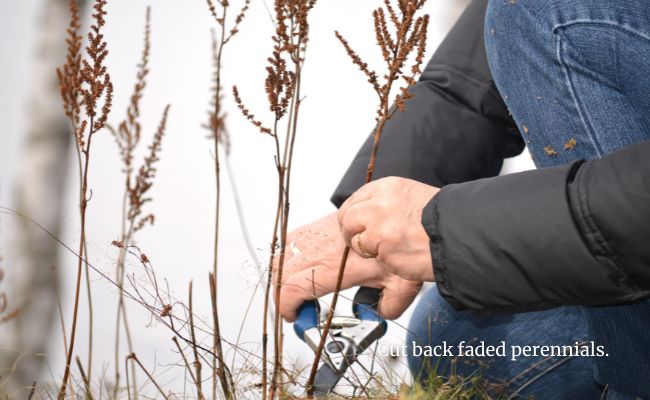
Cut back faded perennials
Tidy up perennials that have finished flowering and look tatty.
How to: Cut stems down to just above ground level, remove any dead growth, and mulch the surrounding soil with garden compost to protect roots over winter.
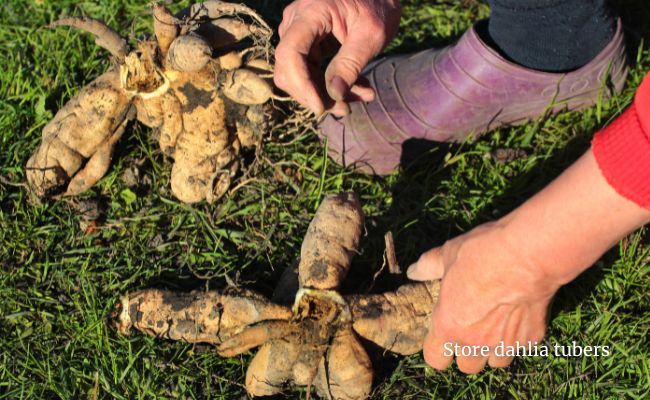
Lift and store dahlia tubers if you have not already done so
Dahlias won’t survive frost if left in the ground.
How to: Once the first frost blackens the foliage, cut the stems back to around 10 cm, lift the tubers carefully, brush off excess soil, and leave them to dry. Then store in dry compost or sawdust in a cool, frost-free place such as a shed or garage.
Tidy up roses affected by black spot
Help prevent this common fungal disease from carrying over to next year.
How to: Collect and bin any fallen rose leaves showing black spots — don’t compost them — and clear around the base of the plant to reduce the risk of reinfection.
Containers, Alpines & Pots
Protect alpine plants from winter wet
Alpines dislike sitting in cold, soggy soil.
How to: Move containers to a sheltered spot, such as under a porch or cold frame, to keep off the winter rain. Top up gravel mulch around each plant to keep the foliage clear of damp compost and help prevent rot.
Raise containers off the ground
Cold, wet weather can cause pots to sit in puddles and damage roots.
How to: Lift containers onto pot feet, bricks, or small pieces of wood to improve drainage and stop the base from freezing or waterlogging.
Insulate pots against frost
Terracotta and ceramic pots can crack in cold snaps.
How to: Wrap containers with hessian, fleece, or reused bubble wrap to help keep roots snug and protected from frost.
Fruit & Veg Plot
Sow sweet peas indoors
Get a head start on next year’s flowers.
How to: Sow seeds into small pots or root trainers and keep them in a cool, frost-free spot such as a greenhouse or windowsill. Pinch out the tips once seedlings reach about 10 cm to encourage bushy growth.
Harvest the last of your crops
Pick remaining root vegetables and brassicas, and clear away any old plant material. Add compost or manure to your empty beds so the soil can rest and recharge over winter.

Wildlife & Lawns
Feed the birds
As food becomes scarce, birds will appreciate a helping hand.
How to: Put out seed mixes, suet blocks, or fat balls, and make sure there’s fresh water available (check it doesn’t freeze). Feeding regularly helps birds build energy reserves for colder weather.
Look after your lawn
It’s too late to sow new grass seed now, but you can still keep lawns healthy.
How to: Rake up fallen leaves, remove worm casts by brushing when dry, and avoid walking on frosty grass. You can also apply an autumn lawn feed if it hasn’t already been done.
General Garden Jobs
Clear up fallen leaves
Leaves left on lawns and borders can smother grass and harbour pests.
How to: Rake or blow leaves off lawns and paths. Gather them into bags or a wire frame to make leaf mould — a brilliant soil conditioner for next year.
Tidy ponds and remove debris
If you have a pond, scoop out fallen leaves before they decay. This helps maintain water quality and prevents blockages.
Mulch beds and borders
Spread a layer of compost or well-rotted manure around shrubs and perennials to lock in moisture, suppress weeds, and protect roots through winter.
Weeding watch
Mild spells can encourage annual weeds to pop up even now.
How to: Pull or hoe them while they’re small — it’s easier than dealing with a bigger flush in spring