

Future-Proofing Your Garden: Planning for Hotter, Drier Summers
After a summer of hot, dry weather, hosepipe restrictions and gardens struggling for water, it is worth looking ahead.
Our gardens are having to cope with conditions that can be very different from the summers many of us are used to. Rather than waiting until the next heatwave to rethink our planting, autumn is a good time to start making changes that can help your garden become more resilient in the years ahead.
The good news is that creating a more water-wise garden doesn’t mean giving up the character and charm of a traditional cottage garden. With thoughtful planting, healthy soil and a few simple changes, you can still create a garden that feels full, colourful and abundant while being better prepared for dry spells.
Think beyond a 'drought-tolerant' garden
When choosing plants for a garden that may experience hotter and drier summers, it can be tempting to fill borders with Mediterranean-style plants.
However, the RHS recommends thinking about the right plant for the right place. Your soil type, aspect, light levels and the individual microclimate of your garden all influence which plants will thrive.
A plant that copes beautifully with dry conditions in one garden may struggle in another.
Instead, look at your garden as a whole. Which areas dry out quickly? Which receive the afternoon sun? Where does rain naturally collect? Are there sheltered areas around walls and fences? Understanding these conditions will help you choose plants that are naturally better suited to them.
Build a resilient cottage garden
A climate-resilient garden doesn’t have to look dry or sparse.
Perennials, shrubs, grasses, bulbs and self-seeding plants can all contribute to the informal, layered character that makes a cottage garden so appealing.
The key is choosing plants that are well suited to your conditions and allowing them to establish strong root systems.
Some plants that can be considered include:
Shrubs & structural plants
Abelia
Arbutus
Ceanothus
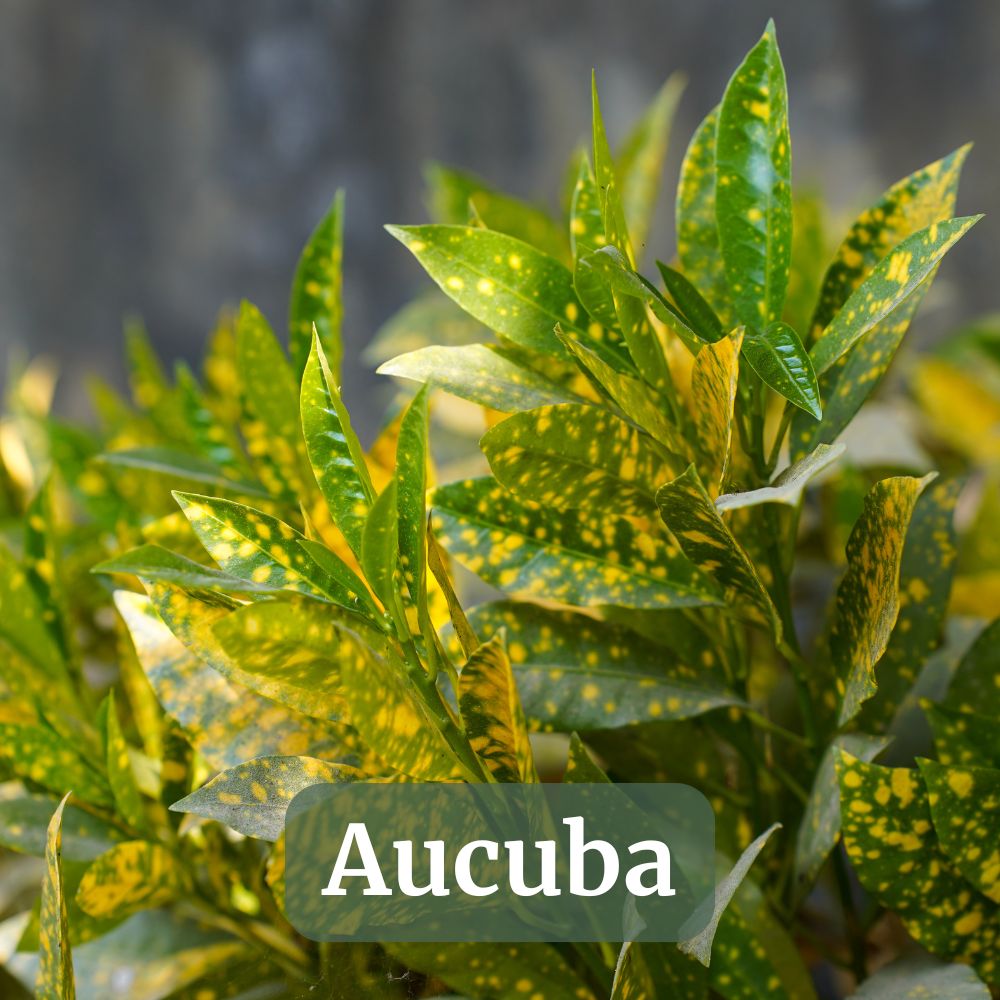
Aucuba
Cistus
Hebe
Potentilla
Euonymus
Elaeagnus
Viburnum
Cotinus
Nandina
Grasses
Stipa
Pennisetum
Miscanthus
Perennials & flowering plants
Salvia
Stachys
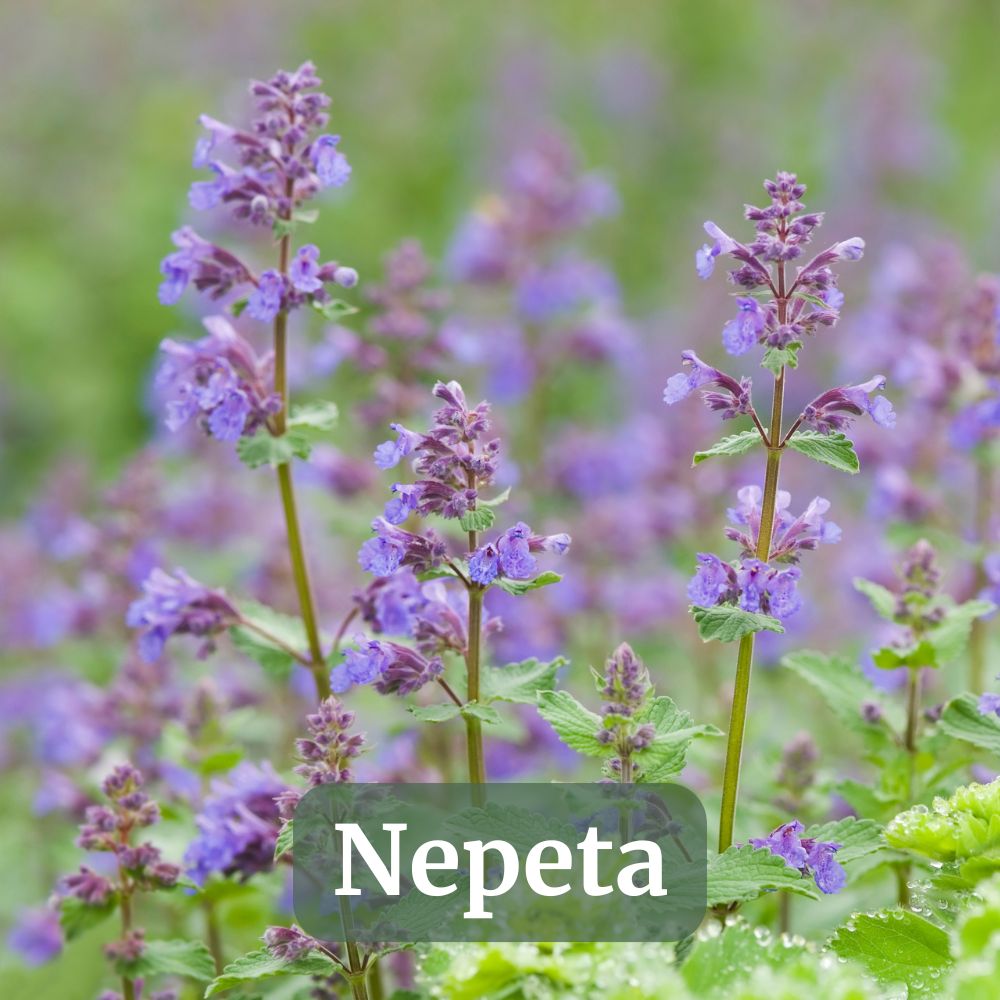
Nepeta
Geranium
Achillea
Gaura
Verbena
Lavender
Echinacea
Rudbeckia
Sedum
Verbascum
Thalictrum
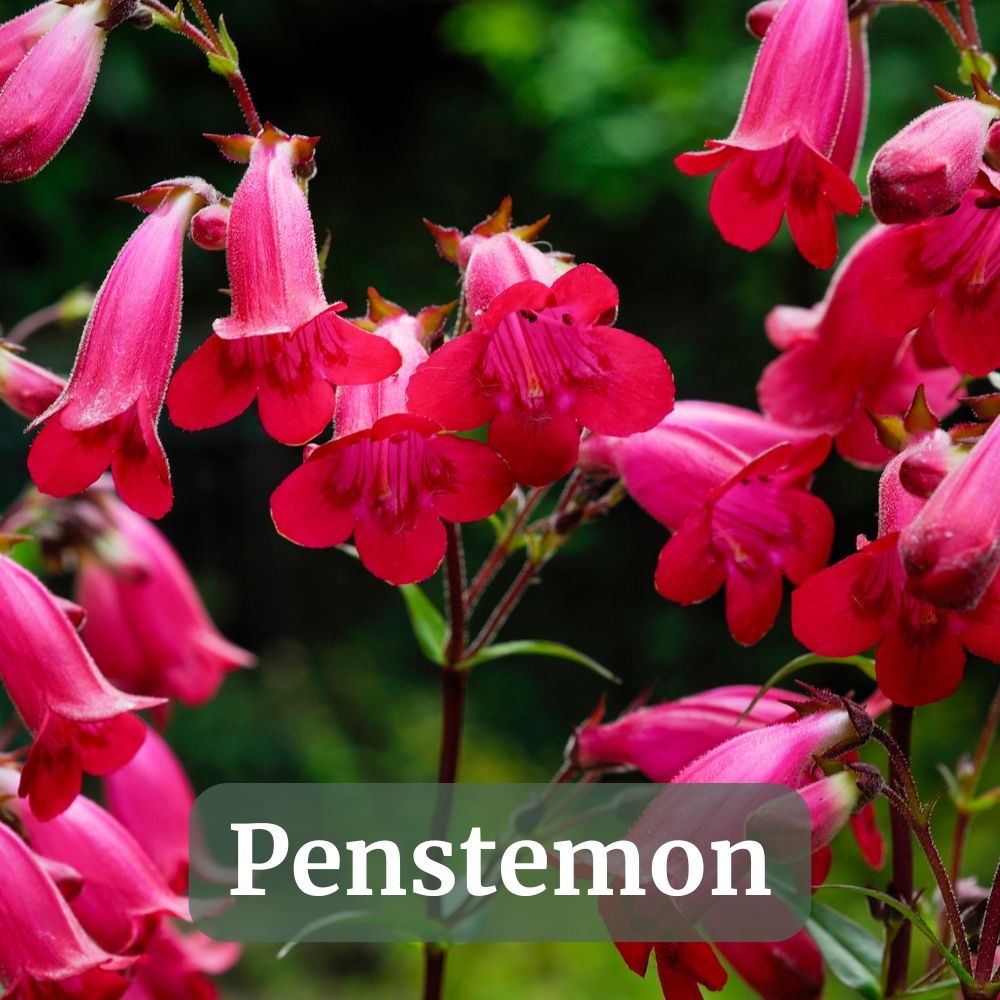
Penstemon
Perovskia
Rosemary
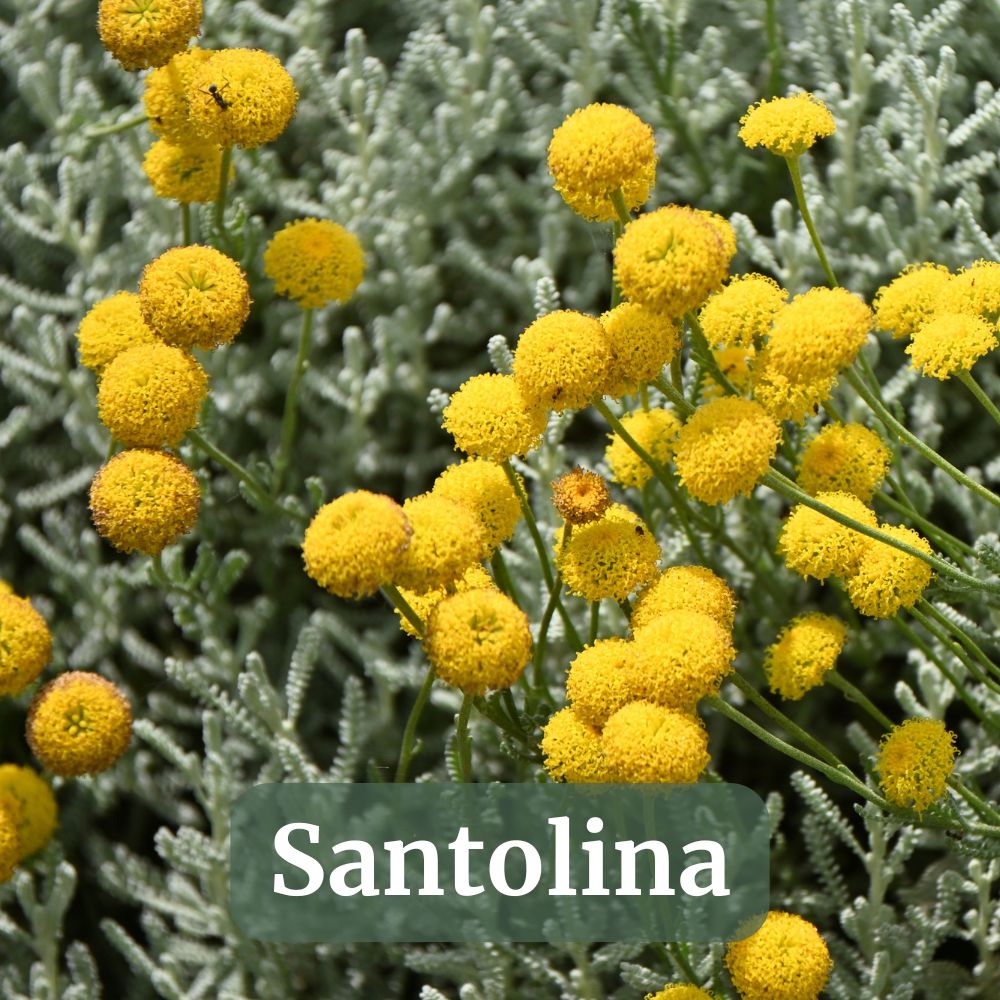
Santolina




Give your plants time to establish
One of the most important things to remember is that drought tolerant does not mean drought proof – especially when a plant is newly planted.
Even plants that are naturally well adapted to dry conditions need water while they establish their roots.
Autumn can be an excellent time to plant many trees, shrubs and hardy perennials. The soil is still relatively warm, while cooler conditions and autumn and winter rainfall can give roots time to establish before the demands of summer arrive.
Think of the first season as an investment.
A newly planted shrub may not immediately look as impressive as an established specimen, and a drought-tolerant perennial won’t necessarily be ready to cope with prolonged dry weather straight away. Give plants time to settle into their new surroundings and develop their root systems.
For many plants, a full growing season can make a significant difference, while larger trees and shrubs may take longer to become fully established.
Once established, well-chosen plants should generally need much less additional watering than plants that are poorly suited to their location.
Make the most of rainwater
When rainfall does arrive, make the most of it.
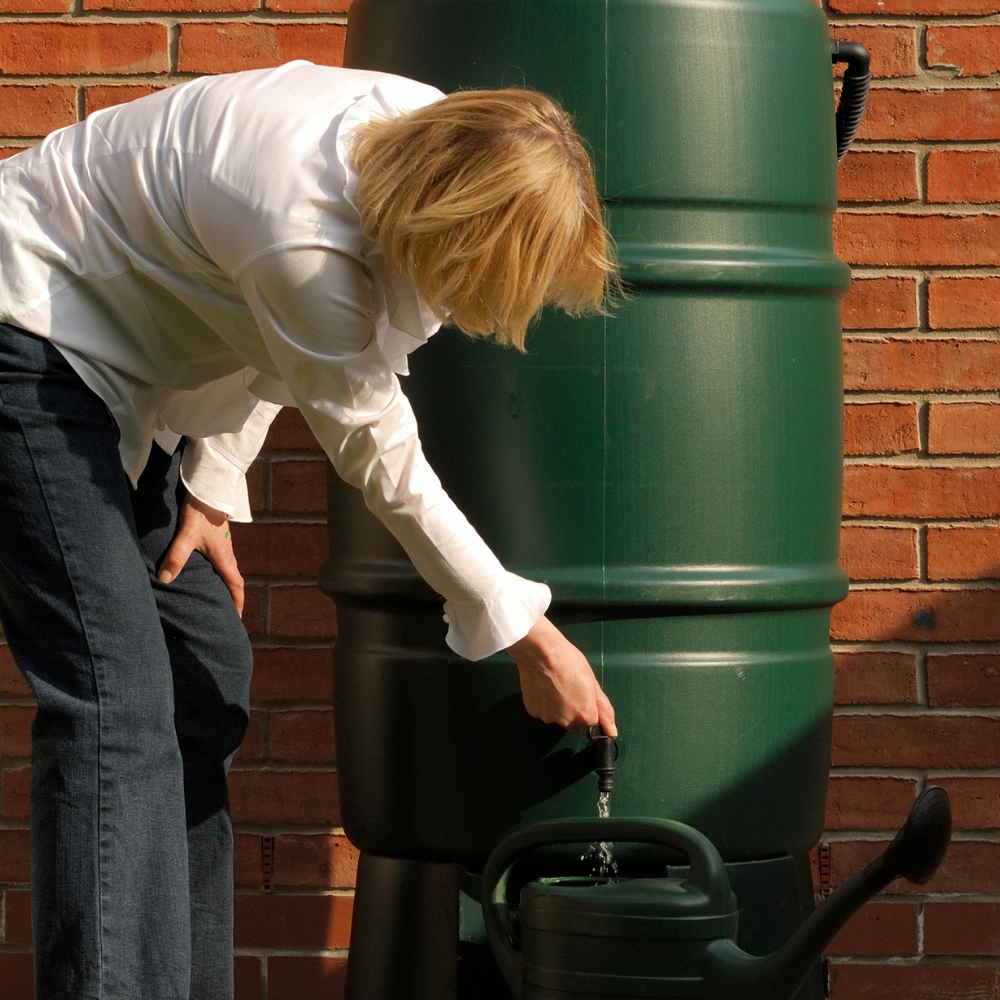
Water butts allow you to collect rainwater from roofs and store it for use around the garden. This provides a useful reserve during dry periods and reduces reliance on mains water.
If you already have a water butt, autumn is also a good time to check that it is clean and ready to collect the wetter months ahead.
Mulch to keep moisture in the soil
Mulching helps reduce water loss from the soil, suppress weeds that would otherwise compete with plants for moisture, and can add organic matter as it breaks down.
Apply around 5–7.5cm of suitable mulch to the soil surface, taking care not to pile it directly against plant stems.
Garden compost, well-rotted manure, bark and other suitable materials can all be used depending on your planting scheme and soil.
Improve your soil this autumn
Healthy soil is one of the foundations of a water-wise garden.
Adding organic matter such as well-rotted farmyard manure or garden compost can improve soil structure and help with water availability. Good soil also supports healthy root growth, giving plants a better chance of finding the moisture they need.
You can also make the most of what your garden gives you. Autumn is a great time to start a compost heap using garden and kitchen waste, turning leaves and other fallen material into valuable homemade compost over time. Collect fallen leaves and allow them to break down into leaf mould – a valuable soil conditioner that can be added to borders and around established plants.

And don’t worry about a brown lawn
One of the easiest ways to save water in summer is to accept that your lawn doesn’t always need to stay green.
Established lawns can naturally go dormant and turn brown during prolonged dry weather. Once rain returns, they can recover and green up again.
Rather than using large quantities of water to maintain a perfectly green lawn during a drought, consider where that water is most needed.
Your lawn may look tired for a while, but it doesn’t necessarily mean it is dying.
Plant in autumn where appropriate
Autumn planting can give many plants a valuable head start.
With the soil still warm and moisture generally more readily available, roots can continue developing before the stresses of next summer.
This is particularly useful when thinking about trees, shrubs and hardy perennials that you want to become established before future periods of heat and drought.
Always check the individual plant’s requirements before planting, as not every plant is best planted at the same time.
Start now for a better garden next summer
A more resilient garden isn’t created overnight.
It is about making a series of thoughtful choices — improving the soil, storing rainwater, mulching, choosing plants that suit your garden and giving new planting time to establish.
The aim isn’t to create a garden that needs no water at all. It is to create one that is better prepared for periods of heat and drought, while still giving you the colour, texture and character you love.
If this summer has shown you where your garden struggled, take note.
Those dry borders, scorched plants and thirsty containers are giving you useful information about what could change.